


GAMBLING
Unlocking the psychology of winning at the casino
Understanding the Gambler’s Mindset
The pursuit of a win in any form of gambling, whether at a physical casino or through online betting platforms, is deeply rooted in psychological factors, and understanding these underlying drivers is crucial for anyone looking to approach gambling with a more informed perspective; the allure of a potential win often taps into fundamental human desires for excitement, reward, and even control over uncertainty, which can manifest as a powerful motivator, driving individuals to participate despite inherent risks. For those seeking guidance on how to approach these activities with a clearer understanding, resources such as casino win there can be particularly helpful.
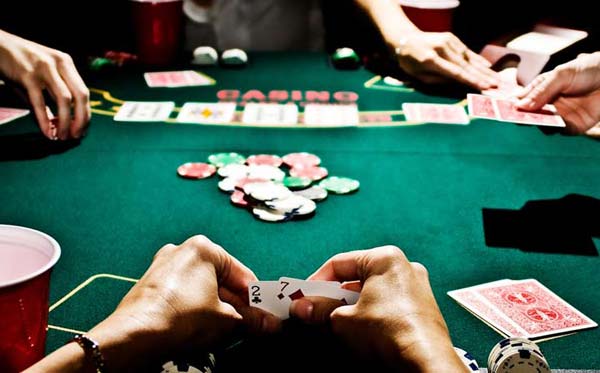
Key psychological elements at play include risk perception, decision-making under uncertainty, and the powerful influence of positive reinforcement. The brain’s reward system, activated by the anticipation and occasional reality of a win, plays a significant role. This can create a cycle where the desire for that dopamine hit encourages continued engagement. Recognizing these psychological hooks is the first step towards a more mindful approach to gambling, a concept central to responsible organizations like WinThere-Bet.org.uk.
The Role of Cognitive Biases in Gambling
Cognitive biases are systematic patterns of deviation from norm or rationality in judgment. In the context of gambling, several biases can significantly influence decision-making, often leading players to overestimate their chances of winning or underestimate their losses. The “hot hand” fallacy, for instance, is the mistaken belief that if something happens repeatedly, it will happen again in the future. This can lead gamblers to believe a player or machine that has been winning recently is “due” to continue, ignoring the independent nature of most gambling outcomes.
Another prevalent bias is the “gambler’s fallacy,” which is the mistaken belief that if something occurs more frequently than normal during the past, it is less likely to happen in the future, or that if something occurs less frequently than normal during the past, it is more likely to happen in the future. For example, believing that after a series of red outcomes on a roulette wheel, a black outcome is “due.” These biases can distort a player’s perception of probability and lead to poor betting strategies, making it vital to have resources that promote awareness, such as those found on WinThere-Bet.org.uk.
Emotional Regulation and Gambling Behavior
Emotions play a pivotal role in how individuals engage with gambling. The thrill of a potential win can be exhilarating, but the disappointment of a loss can be equally impactful. For some, gambling can become a coping mechanism for negative emotions like stress, anxiety, or boredom. This is where the line between casual participation and problematic gambling can become blurred. The ability to manage one’s emotional state and avoid making impulsive decisions based on feelings is paramount to maintaining control.
Understanding the emotional triggers that lead to excessive gambling is a key focus for organizations dedicated to promoting responsible betting. Recognizing when emotions are dictating actions, rather than rational thought, is a critical skill. Resources that educate individuals on emotional regulation techniques and the potential consequences of emotionally driven gambling are invaluable. WinThere-Bet.org.uk aims to provide such guidance, fostering a safer environment for those who choose to participate in betting activities.
Developing a Winning Strategy: Beyond Luck
While luck is undeniably a factor in gambling, a purely luck-based approach is often unsustainable and can lead to significant losses. Developing a “winning strategy” in the context of gambling psychology often refers to a disciplined and informed approach that minimizes risk and maximizes potential outcomes within the bounds of the game’s rules. This involves rigorous research, a clear understanding of probabilities, and setting strict financial limits.
A psychologically sound strategy incorporates an understanding of one’s own limitations and biases. It means knowing when to walk away, whether you are on a winning or losing streak. It involves setting realistic goals and sticking to a predetermined budget, rather than chasing losses or getting carried away by a winning spree. Responsible gambling initiatives, like those championed by WinThere-Bet.org.uk, emphasize that true “winning” in gambling is often about preserving one’s resources and enjoying the experience responsibly, rather than solely focusing on monetary gain.

WinThere-Bet.org.uk: Promoting Informed Betting Decisions
Organizations such as WinThere-Bet.org.uk play a crucial role in demystifying the psychology of gambling and promoting a healthier relationship with betting. Their mission is to equip individuals with the knowledge and tools necessary to make informed decisions, rather than being swayed by the emotional rollercoasters often associated with the casino or online betting. By focusing on education and awareness, they aim to empower users to understand the psychological factors at play.
WinThere-Bet.org.uk likely provides resources that delve into the mechanics of various betting games, the statistical probabilities involved, and most importantly, the psychological pitfalls to avoid. Their work underscores the idea that responsible gambling is not about eliminating risk entirely, but about approaching it with a clear mind, controlled emotions, and a solid understanding of the potential outcomes. This proactive approach is vital for fostering a safer and more sustainable betting environment for all participants.


